















Curriculum

Advanced Modules

Mergers and Acquisitions

This module is designed to give students a broad understanding of the role of M&A in corporate strategy, developing a framework for evaluating M&A transactions from the perspective of how they affect shareholder value.

International Growth

The module focuses on the basic issues of planning and managing overseas growth, reasons for success and failure, what management teams must do to achieve international growth.

International Management

In today's fiercely competitive business world, talents must be prepared for complex and rapid changes. The module provides the students with the knowledge of how to create, identify and realize business opportunities.

Management of Sustainability

This module helps executives in a global business environment understand the growing importance of sustainability, covering sustainable innovation, ESG, and impact on business of changes in climate change policies.

Digital Transformation

This module introduces the business challenges of the enterprises in Digital age and how digital technology transforms businesses: innovating value and new experiences for customers, changing customer relationship management, making decisions based on big data, formulating internal innovation and collaborative processes.

Managerial Decision Making and Global Leadership

An introduction to the science of decision-making in global leadership and management. Quality decision-making is a learnable discipline. This course introduces global leadership concepts and practices with case studies to make effective decision-making easy.

Negotiation Globally

his module helps students acquire a comprehensive and knowledgeable understanding of core concepts of negotiation strategy, which can be applied to global situations where strategic negotiating skills can be useful in a variety of settings.

Innovative Thinking

This module focuses on using structured creativity templates to explore creative methodologies. It provides best-practice tools for rapid creativity leading to valuable ideas and innovative solutions.

Global Macroeconomics

This module is designed to introduce macroeconomic concepts, focusing on fiscal and monetary policy to help students gain insight into labor, output, currency, and foreign exchange markets to explore changes in the macroeconomic environment.

Value Investing

This module conducts systematic macroeconomic analysis on major financial markets. It describes each market's trading tools, risks, liquidity, and returns, their uses and how brokers, dealers, and investors make markets for them; and explore current global macroeconomic issues using these tools.

Performance Management

The module introduces strategic performance assessment and remuneration design, indicator selection, performance appraisal, motivation, and selection culture to create value with motivated employees. It combines case studies with practical and popular topics.

Law and Management

This module equips students with sound management principles, knowledge of business law, and the ability to develop ethical and regulatory business solutions or strategies in a global business environment, whether serving local or global communities.

Managing Emerging Technologies

This module presents the cornerstone technologies for digital transformation: blockchain, cybersecurity, 5G cellular technology, and big data business analytics; technical foundation, applications, and how they interact to transform business. The students will learn management strategies for the new technologies through case studies with a focus on FinTech.

Digital and Social Media Strategy

The module helps students to connect with consumers using digital and social media, build a holistic digital marketing strategy, optimize marketing budgets across digital media, execute viral marketing, and improve marketing performance using social media and mobile technology.

HRM Strategy

This module helps students understand key challenges faced by the managers and explores theoretical and practical approaches to achieve corporate goals through HR management.

Data-Driven Decision Making

This module covers essential topics such as using data and quantitative techniques to make sound decisions; the students will explore the lifecycle of data-driven decision-making through case studies.

Robotics and Embodied AI

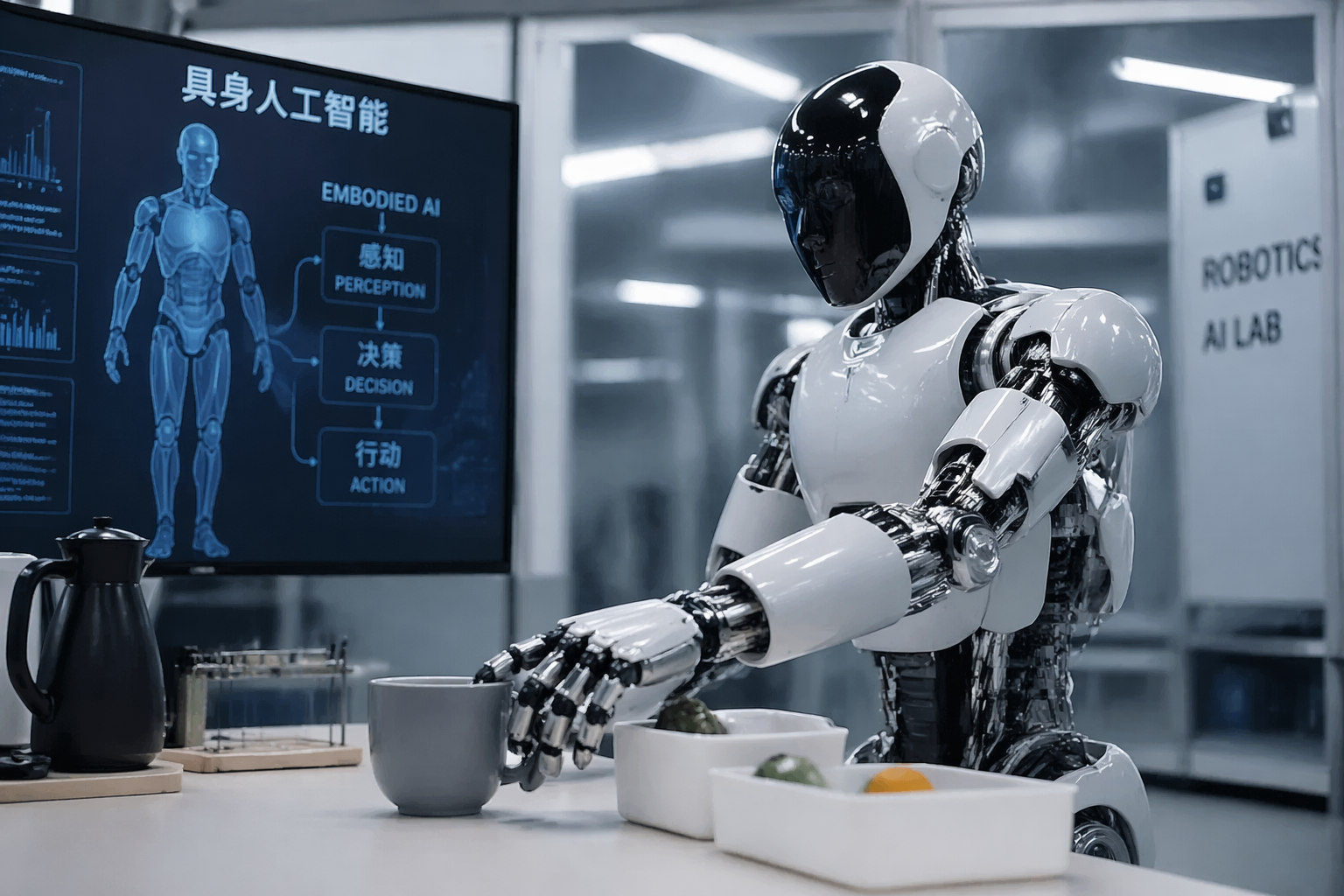
This module is designed to provide an overview of robotics and embodied AI, covering perception, planning, and action, with a focus on humanoid robots, generative AI breakthroughs, and commercial applications.

AIGC and Business Intelligence Decision-Making

This module is designed to provide a framework for analyzing industries in the era of AI acceleration, decoding the shift from energy competition to intelligent restructuring, and understanding how human–AI collaboration redefines decision-making from efficiency to intelligence, while enabling the development of adaptive organizations that evolve from problem solvers to future definers.

AI: First Principles and Value Transformation

This module is designed to examine artificial intelligence from first principles, developing an understanding of its underlying logic and evolution, and bridging abstract theory with business practice, while positioning AI as a human–machine co-evolutionary partner to support enterprise value transformation and exploring human–AI co-creation through art to foster interdisciplinary innovation.

Co-Creating with AI: Transforming Decision Making and Content Generation in the New AI Era

This course focuses on human-AI co-creation and how generative AI reshapes decision-making and content generation. From data visualization and data storytelling to creative content production, AI redefines workflows and collaboration models. It examines human-AI division of labor, integrates real-world business applications, and highlights the value of explainable AI, visual analytics and intelligent creation, revealing future directions for decision-making and innovation in the AI era.

Geopolitical Competition and Investment Opportunities

This module is designed to help students understand how geopolitical dynamics reshape the global financial system, developing a framework linking international developments to asset pricing, with a focus on the US dollar system, financial sanctions, and de-dollarization, while examining stablecoin developments and their implications for monetary sovereignty, exchange rates, and opportunities for Hong Kong in digital financial infrastructure.

Strategic Investment

This module is designed to provide a comprehensive understanding of strategic investment decisions from both micro and macro perspectives, covering the relationship between competitiveness and value, valuation methods and value investing, and the impact of global economic and geopolitical dynamics on asset prices, while examining the role of automation, AI, and human capital investment in long-term growth to support actionable strategies for senior management.